
Best Biophilic Design Elements for the Modern Home Sanctuary 2026

Biophilic design is the principle that the built environment performs best — for the people living in it — when it maintains a meaningful connection to the natural world. The word comes from the Greek for love of life, and the concept is straightforward: human beings evolved over hundreds of thousands of years in direct contact with natural materials, natural light, living systems, moving water, and organic textures. The home that replicates those conditions — even partially, even in the middle of a city — produces measurable improvements in stress, sleep, cognitive restoration, and the subjective sense of calm that no amount of technology can fully replicate on its own. For the luxury home longevity labbuilt around performance, recovery, and the quality of daily life, biophilic design is not an aesthetic choice — it is the environmental infrastructure that makes everything else work better. This guide covers the elements that define it.

What Biophilic Design Actually Means
Biophilic design is not a style — it is a set of principles that can be applied across any aesthetic from minimalist to maximalist, modern to traditional. The research behind it is substantial: studies across workplace, healthcare, and residential environments consistently show that spaces with biophilic elements — natural light, natural materials, views of nature, living plants, natural ventilation — produce lower cortisol levels, faster stress recovery, better sleep quality, and higher subjective wellbeing scores than equivalent spaces without them.
The framework for biophilic design divides into three categories. Nature in the space — direct incorporation of living elements like plants, water features, natural light, and fresh air. Natural analogues — materials, textures, patterns, and forms that reference the natural world without being alive — wood, stone, linen, leather, organic shapes. Nature of the space — the spatial qualities that reference natural environments, including prospect views, refuge and enclosure, complexity and order, and the mystery of partially visible spaces that invite exploration.
For the home sanctuary buyer, the practical implication is that biophilic design elements are not decorative additions — they are functional specifications that support the same recovery and wellness goals as the technology investments in the rest of the home. A bedroom with natural linen bedding, warm wood surfaces, and a view of trees through a window is not just more beautiful than a bedroom without those elements — it is measurably better at supporting sleep. The dark sky outdoor lighting plan that preserves the natural night environment, the non-toxic candles that replace synthetic fragrance with essential oils, the organic linen bedding — these are all biophilic design decisions. This guide names them as such and connects them to the broader framework.
Element 1: Natural Light and Circadian-Aligned Lighting
Natural light is the foundational biophilic design element — and the one most often compromised in modern home design by artificial lighting systems that work against the body's circadian biology rather than with it. The biophilic specification for lighting starts with maximizing daylight exposure during the morning and midday hours through window placement, skylights, and light-colored reflective surfaces. It continues into the evening with warm-spectrum artificial lighting that mimics the amber shift of natural sunset rather than maintaining the blue-spectrum output that suppresses melatonin.
The dark sky outdoor lighting guide covers the outdoor specification in depth — 2700K downward-directed fixtures that preserve the natural night environment. The indoor equivalent is the same: 2700K warm LED throughout living and bedroom spaces, with dynamic lighting systems that shift color temperature from cool morning light to warm evening amber in alignment with the body's natural rhythm. For the sleep-optimized bedroom, circadian-aligned lighting is as important as the mattress specification.
Red light therapy panels — covered in our full red light therapy buyer's guide — are a biophilic light element in the most literal sense: red and near-infrared wavelengths are the morning and evening light frequencies that the human body evolved to use as biological timing signals. A red light therapy session in the early morning or late evening is simultaneously a wellness protocol and a biophilic light experience that replicates the spectral quality of natural light at the times of day when it most directly influences circadian function.
Element 2: Natural Materials Throughout
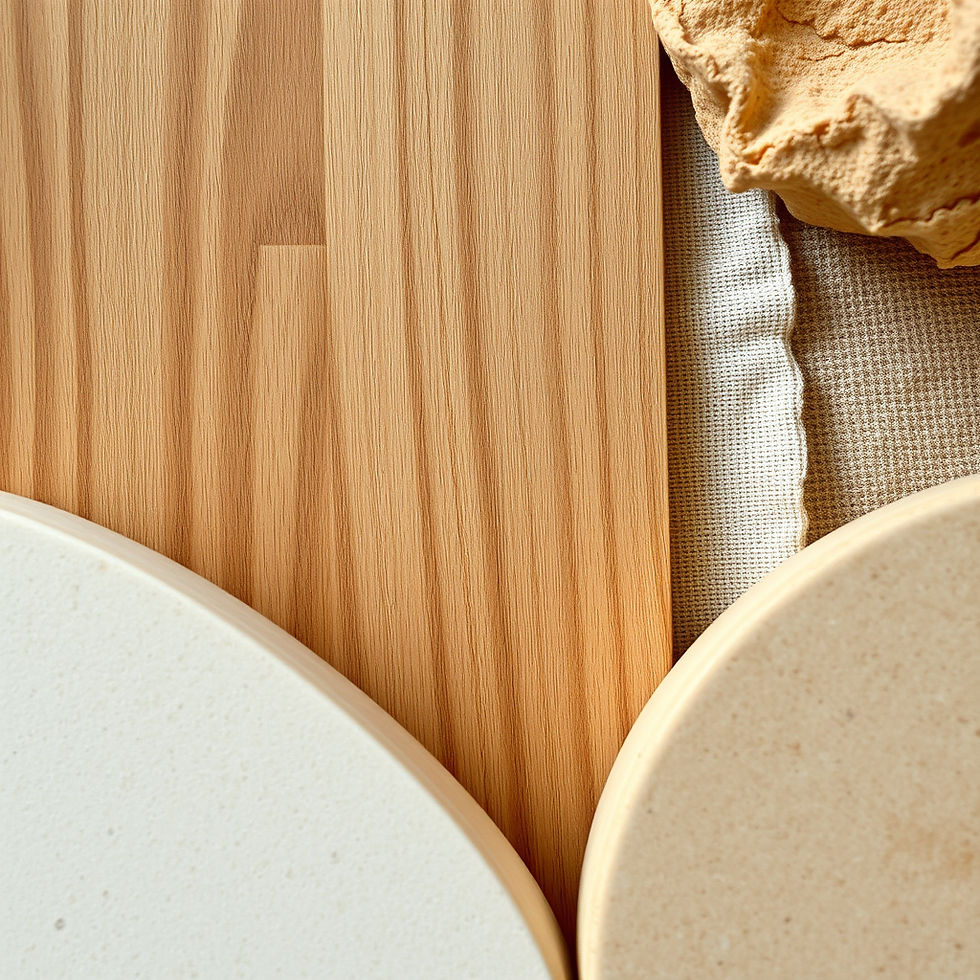
The choice of materials in the home sanctuary is the biophilic decision that most directly affects the daily sensory experience of living in it. Natural materials — wood, stone, linen, wool, cotton, ceramic, leather — have texture, warmth, variation, and aging characteristics that synthetic alternatives cannot replicate. More importantly, they are non-toxic: the off-gassing that contributes to indoor air pollution in modern homes — the formaldehyde your Dyson TP09 air purifier is working to neutralize — comes primarily from synthetic and engineered materials, not from natural ones.
In the bedroom: GOTS certified organic linen and cotton bedding is the biophilic specification — natural fibers in direct contact with the body for 7–9 hours, free from synthetic treatments, pesticide residues, and formaldehyde-based wrinkle finishes. Coyuchi, Parachute, and Saatva represent the top tier of this specification.
In the kitchen: The regenerative kitchen built around natural stone countertops, solid wood cabinetry, fireclay or cast iron sinks, and solid brass faucets is a biophilic kitchen — durable natural materials that age gracefully and do not off-gas the way MDF cabinetry, laminate countertops, and engineered stone do. Our guides to luxury kitchen sinks, luxury kitchen faucets, and luxury pot fillers cover the material specifications in depth.
In the outdoor space: The outdoor recovery pavilion built from ipe decking, teak furniture, natural stone pavers, and cedar sauna architecture is biophilic design at estate scale — materials that weather naturally, integrate into the landscape, and connect the recovery practice to the natural environment it serves.

Element 3: Living Systems — Plants, Air, and Water
Living systems are the most direct expression of biophilic design — the actual presence of living organisms in the interior environment. Indoor plants are the most accessible living system, and their biophilic benefit goes beyond aesthetics: plants produce oxygen, moderate humidity, absorb VOCs from the air, and provide the visual complexity and organic movement that the human nervous system is calibrated to find restorative. A room with living plants is a fundamentally different sensory environment from the same room without them — and the difference is measurable in the physiological responses of the people in it.
Indoor air quality is the living system specification that most directly connects biophilic design to the home sanctuary's wellness infrastructure. Non-toxic candles with essential oil fragrance bring the scent of the natural world into the interior. Luxury air purifiers that remove VOCs, particulates, and synthetic compounds return the indoor air to something closer to the clean outdoor air that biophilic design is designed to replicate. The luxury humidifier that maintains optimal humidity levels replicates the moisture balance of natural outdoor environments in a way that the dry, recirculated air of HVAC systems does not.
Water features are among the most powerful biophilic design elements — the sound and sight of moving water activates the parasympathetic nervous system response more reliably than almost any other environmental stimulus. The luxury steam shower is a biophilic water element — the sensory experience of steam, warmth, and water in an enclosed space that mimics the thermal springs and hot spring environments that humans have used for restoration for thousands of years. The outdoor cold plunge positioned in a natural garden setting is simultaneously a recovery tool and a biophilic water experience — cold water immersion in a natural outdoor environment is one of the most complete biophilic sensory experiences available to the estate home.
Element 4: The Thermal Environment
The thermal environment — the combination of air temperature, radiant heat, humidity, and airflow — is a biophilic design element that most home design ignores entirely in favor of HVAC systems that produce a single, constant indoor temperature. Natural thermal environments are dynamic: they include radiant warmth from sunlight, cool breezes, humidity variation, and the temporal rhythm of temperature change across the day. The home sanctuary that replicates this thermal dynamism — rather than flattening it with constant conditioning — supports both physiological health and the subjective sense of being in a naturally responsive environment.
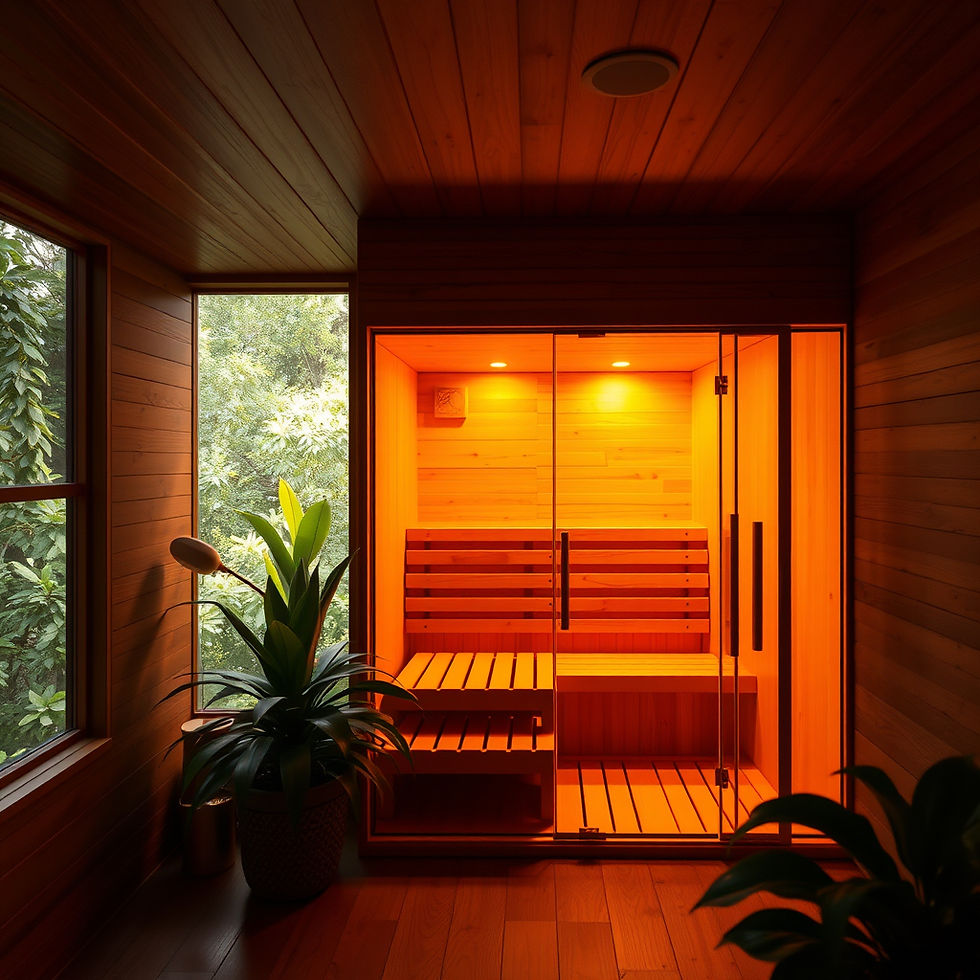
The infrared sauna is the most direct biophilic thermal element available in the home — a radiant heat environment that replicates the full-body warmth of sunlight exposure at therapeutic intensities. The PEMF mat combines far infrared radiant heat with electromagnetic stimulation in a reclined position that mimics the restorative experience of lying in warm sunlight. The outdoor recovery pavilion creates a complete thermal circuit — heat from the sauna, cold from the plunge, ambient temperature in the rest interval — that replicates the thermal dynamism of natural environments in a designed architectural space.
For the bedroom, smart mattress technology that dynamically adjusts sleep surface temperature across the night is a biophilic thermal element — it replicates the natural drop in ambient temperature during the night hours that human sleep architecture evolved around, rather than maintaining the single constant temperature that forced-air HVAC produces.
Element 5: Connection to the Outdoor Environment
The most powerful biophilic design element is also the simplest: a genuine visual and physical connection between the indoor living environment and the natural outdoor landscape. Floor-to-ceiling windows that frame mature trees. A covered outdoor living space that extends the interior into the garden. An outdoor recovery pavilion positioned so that the rest interval between contrast therapy cycles is experienced in the natural landscape rather than in an enclosed room.
The entire outdoor estate wellness category — outdoor saunas, outdoor cold plunge tubs, outdoor showers, outdoor fire features, outdoor lighting — is biophilic design in practice. The decision to place a sauna in the garden rather than in a basement wellness room is a biophilic decision. The decision to use a cold plunge outdoors adjacent to mature trees rather than indoors adjacent to a shower is a biophilic decision. The outdoor recovery pavilion as a designed architectural space that integrates recovery practice into the natural outdoor environment is the highest expression of biophilic wellness design available to the estate home.
Grounding — covered in our luxury grounding flooring guide — is the most literal form of connection to the natural environment: direct electrical contact with the Earth's surface, replicated indoors through conductive floor mats connected to the building's ground system. For the biohacker home where the electromagnetic environment is a considered design variable, grounding is the biophilic element that closes the circuit between the human body and the natural electrical field of the Earth.
Element 6: Sensory Design — Scent, Sound, and Texture
Biophilic design engages all five senses, not just sight. The sensory environment of the home sanctuary — what it smells like, what it sounds like, what it feels like to touch — is as important to its biophilic quality as its visual aesthetic.
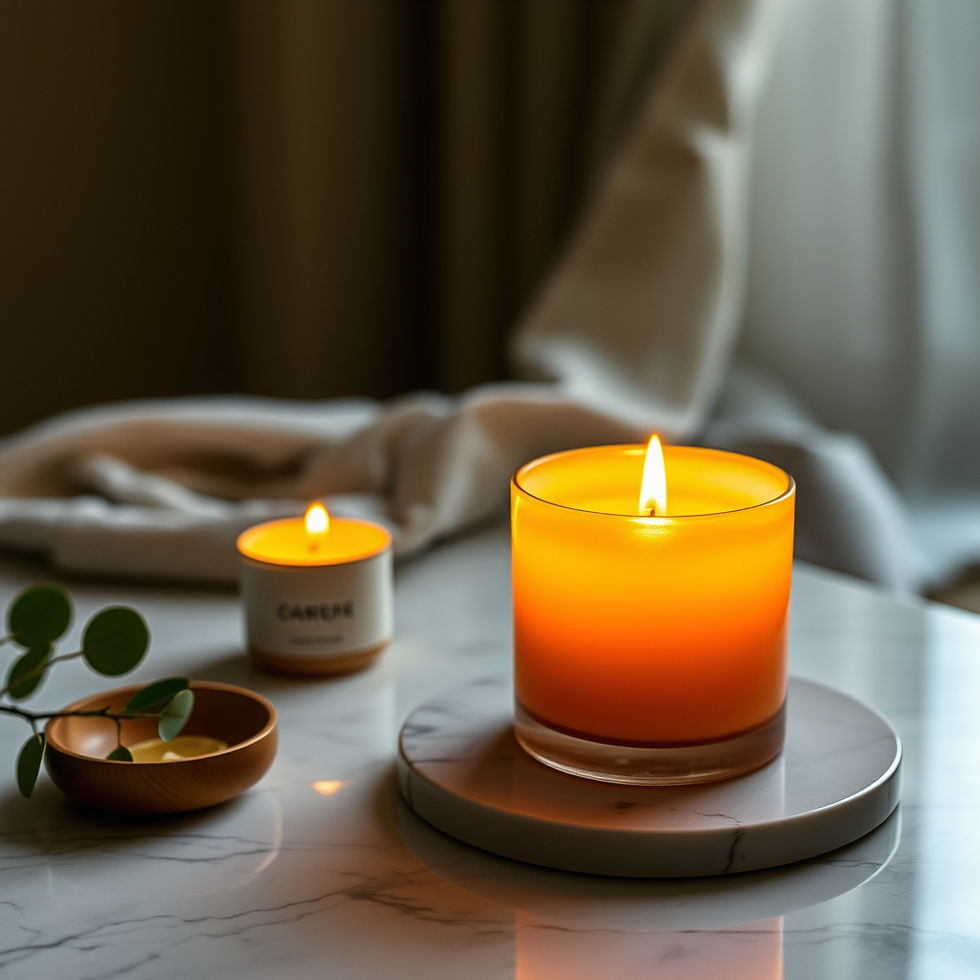
Scent: The olfactory system has a more direct neural connection to the limbic system — the brain's emotional and stress regulation center — than any other sense. Natural plant-derived scents activate parasympathetic responses that synthetic fragrances cannot reliably replicate. Non-toxic candles with pure essential oil fragrance, diffusers with therapeutic-grade essential oil blends, and the natural cedar aroma of a sauna interior are all biophilic scent elements — they bring the olfactory signatures of natural environments into the interior space.
Sound: Natural soundscapes — moving water, wind through trees, birdsong, rain — activate the default mode network's restorative function in ways that urban noise and mechanical sound do not. For the home sanctuary, this means designing for acoustic privacy and natural sound rather than noise suppression alone. The soundproof home office that eliminates intrusive mechanical sound creates the acoustic baseline from which natural soundscapes — an outdoor water feature, open windows to a garden — can be experienced without competition.
Texture: Natural materials provide tactile complexity that smooth synthetic surfaces do not — the grain of wood, the weave of linen, the roughness of stone, the softness of organic cotton. The organic bedding that gets softer with every wash, the teak outdoor furniture that develops a silver patina over time, the fireclay kitchen sink that shows the handmade character of its construction — these are biophilic texture elements that create the sensory richness of natural environments in the built space.
Building the Complete Biophilic Home Sanctuary
The complete biophilic home sanctuary integrates all six elements — natural light, natural materials, living systems, thermal dynamism, outdoor connection, and sensory design — into a coherent environment where every specification decision reinforces the others. It is not a checklist of individual purchases but a design philosophy applied consistently across every room and every material choice.
The practical roadmap for the Vapour & Stone reader building toward this environment:
Start with air and light — the highest-leverage, fastest-impact biophilic interventions. Replace 4000K+ outdoor fixtures with 2700K dark sky compliant lighting. Add a luxury air purifier to the bedroom. Replace paraffin candles with non-toxic alternatives.
Move to materials — organic non-toxic bedding in the bedroom, natural stone and solid brass in the kitchen, natural wood and stone in the outdoor spaces.
Add living systems — indoor plants in every room, clean water infrastructure throughout the home, a water feature in the outdoor space.
Complete the thermal circuit — infrared sauna for radiant heat, cold plunge for thermal contrast, smart sleep surface for circadian thermal rhythm.
Extend outdoors — the outdoor recovery pavilion that takes wellness practice into the natural environment, outdoor lighting that preserves the night sky, grounding floor mats that connect the body to the Earth's electrical field indoors.
Frequently Asked Questions: Biophilic Design Elements
What is biophilic design? Biophilic design is the practice of incorporating natural elements — natural light, natural materials, living plants, water features, thermal variation, and connection to the outdoor environment — into built interiors. It is based on research showing that human beings respond positively to natural environments at a physiological level, with measurable reductions in cortisol, improved sleep quality, faster stress recovery, and higher subjective wellbeing in biophilic spaces compared to equivalent non-biophilic spaces.
What are the most impactful biophilic design elements for a home sanctuary? Natural light aligned with circadian biology, natural non-toxic materials throughout, living plants, clean air, and a genuine visual and physical connection to outdoor nature. For the home sanctuary built around recovery and longevity, the thermal biophilic elements — infrared sauna, cold plunge, dynamic sleep surface temperature — are the highest-leverage additions beyond basic natural materials and lighting.
Is biophilic design expensive? It ranges from free (opening windows, adding houseplants, choosing natural materials when replacing existing ones) to significant investment (estate-scale outdoor recovery pavilion with sauna, cold plunge, and natural landscaping). The most cost-effective biophilic interventions — replacing synthetic candles with non-toxic alternatives, upgrading outdoor lighting to 2700K warm spectrum, adding organic bedding — cost less than $500 and produce immediately measurable environmental changes.
How does biophilic design support sleep? Natural light exposure during the day entrains the circadian clock. 2700K warm lighting in the evening supports melatonin production. Natural materials like linen and organic cotton regulate body temperature and reduce skin contact with synthetic compounds. Living plants moderate humidity. The absence of synthetic fragrance and VOC off-gassing removes inflammatory triggers from the sleep environment. Together these create the conditions most closely approximating the natural outdoor sleep environment that human sleep architecture evolved to require.
What is the connection between biophilic design and grounding? Grounding — or earthing — is the most literal biophilic design intervention: restoring the body's direct electrical connection to the Earth's natural electromagnetic field, which modern insulated construction eliminates. Grounding floor mats installed throughout the home bring this outdoor biophilic element indoors, completing the electromagnetic environment in the same way that natural materials, natural light, and living plants complete the sensory and material environment.
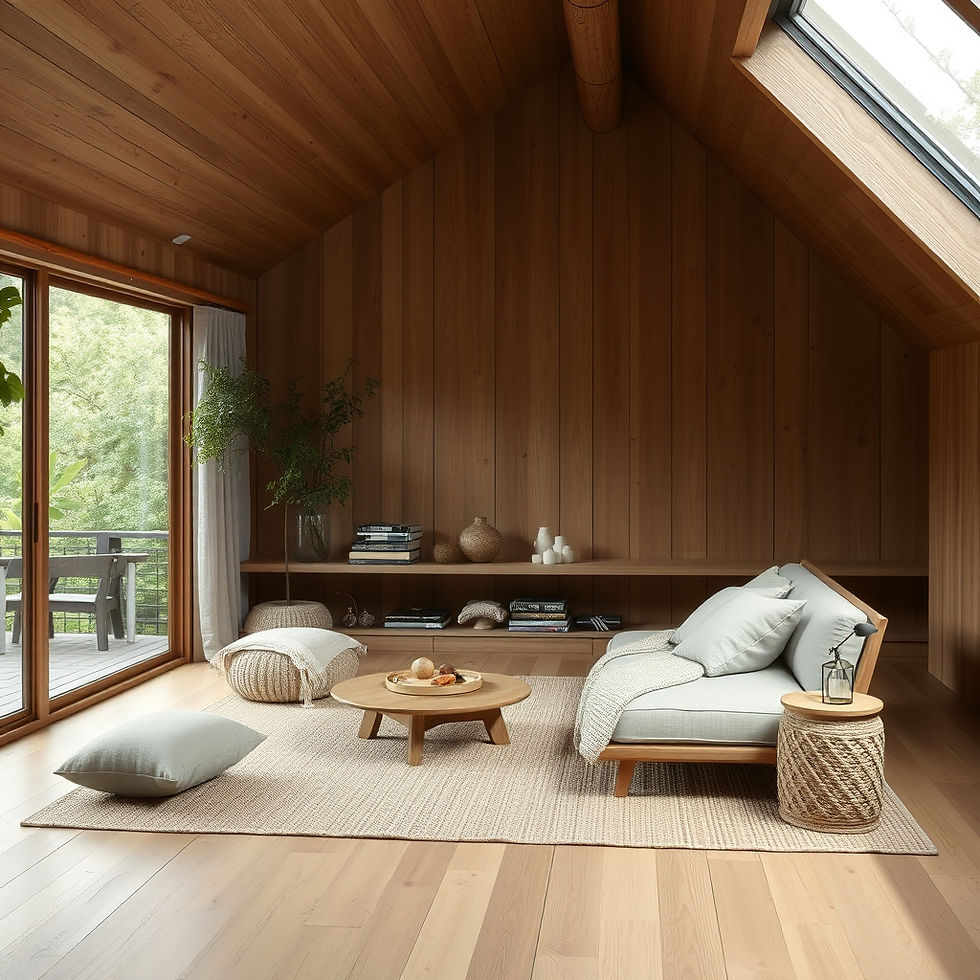
The home sanctuary built around biophilic design principles is not a collection of wellness products — it is an environment. Every specification decision, from the material of the bedding to the color temperature of the outdoor fixtures, either moves toward or away from the natural conditions that the human body is calibrated to thrive in. The six elements covered in this guide — natural light, natural materials, living systems, thermal design, outdoor connection, and sensory design — are the framework for making those decisions consistently and intentionally. The individual product guides throughout this site cover each category in depth. This post names the philosophy that connects them.


Comments